Tag: good to go insurance

  • Aflac Car Insurance

    Aflac Car Insurance: Understanding Supplemental Coverage

    Recognized worldwide for its iconic duck mascot, Aflac is a leading provider of supplemental insurance, not traditional car insurance. Despite the popularity of the Aflac duck, many consumers mistakenly believe the company offers auto insurance policies. This article clarifies what Aflac offers, how its supplemental coverage can complement your car insurance, and how to find affordable auto insurance through Good to Go Insurance.

    Does Aflac Sell Car Insurance?

    Contrary to common belief, Aflac does not offer traditional auto insurance. Visitors to Aflac’s website seeking car insurance quotes are often disappointed to learn that the company specializes in supplemental insurance, not standard vehicle coverage like liability or collision policies. Instead, Aflac focuses on enhancing existing insurance plans with additional protection.

    What Is Aflac, and What Insurance Do They Provide?

    Aflac, or the American Family Life Assurance Company, is a global leader in supplemental insurance, particularly in the U.S. and Japan. The company provides coverage that complements existing health or auto insurance policies, offering financial support for expenses not fully covered by standard plans. Aflac’s primary offerings include:

    • Accident Insurance: Covers healthcare costs and short-term disability payments following an accident.
    • Dental Insurance: Includes specialty care, such as orthodontics and cosmetic procedures, beyond standard dental plans.
    • Critical Illness Insurance: Helps with expenses related to serious conditions like heart attacks or strokes.
    • Cancer Insurance: Assists with living expenses and co-payments during cancer treatment.

    Why the Confusion About Aflac Car Insurance?
    Aflac supplemental insurance for car accidents

    The Aflac duck’s widespread recognition, often compared to mascots like Geico’s gecko, leads many to assume Aflac offers auto insurance. The company’s strong media presence and global reputation contribute to this misconception. However, Aflac does not provide direct car insurance policies. Instead, it offers supplemental coverage that can apply to auto-related incidents, which we’ll explore below.

    Aflac’s Supplemental Coverage for Auto Accidents

    While Aflac doesn’t sell standalone auto insurance, its supplemental plans can enhance your existing car insurance policy. For instance, Aflac’s disability and accident insurance can provide financial support if you’re injured in a car accident and unable to work. This coverage acts as a rider, offering benefits such as:

    • Short-term lost wages due to accident-related injuries.
    • Costs for extended hospital stays.
    • Dental care resulting from an accident.
    • Ambulance and emergency room expenses.
    • Intensive care hospital costs.

    This supplemental coverage can be a financial lifeline, covering expenses that standard auto insurance, like liability-only policies, may not address, such as lost income or specialized medical care.

    How Aflac Handles Claims

    Aflac is renowned for its efficient claims process, paying benefits directly to policyholders rather than third-party providers. This ensures quick financial relief for those injured in accidents, including car crashes. For example, if a severe auto accident results in significant medical expenses or disability, Aflac’s supplemental coverage can help cover costs or provide income support, easing the financial burden on policyholders or their families.

    Aflac’s Disability Insurance: A Key Offering

    Unlike traditional insurers offering auto or home coverage, Aflac specializes in disability and medical insurance. These policies provide financial compensation for injuries that prevent you from working, including those from car accidents. Often sold as group coverage through employers, Aflac’s disability plans offer security for employees facing unexpected injuries. For individuals living paycheck to paycheck, this coverage can prevent financial hardship.

    Does Aflac Offer Health Insurance?

    Aflac does not sell standalone health insurance plans like Blue Cross. Instead, its supplemental policies are typically designed to complement existing health or auto insurance. Many insurance agents recommend pairing Aflac’s disability coverage with a health plan for comprehensive protection, as Aflac’s benefits often extend beyond what standard policies cover.

    Finding Affordable Auto Insurance

    Since Aflac doesn’t offer traditional car insurance, you can find competitive rates through Good to Go Insurance. By entering your ZIP code, you can compare up to ten quotes in just five minutes, potentially saving hundreds annually. Explore options like affordable insurance for older drivers or full-coverage policies with no down payment to meet your needs.

    Frequently Asked Questions

    Does Aflac offer car insurance?

    No, Aflac does not sell traditional car insurance but provides supplemental coverage for accident-related expenses, such as lost wages or medical costs.

    What does Aflac’s supplemental auto coverage include?

    Aflac’s supplemental plans cover costs like short-term lost wages, hospital stays, dental care, ambulance services, and emergency room expenses from car accidents.

    How can I get car insurance if Aflac doesn’t offer it?

    Compare quotes at Good to Go Insurance to find affordable auto insurance tailored to your needs, starting at $18/month.

    Can Aflac’s disability insurance help after a car accident?

    Yes, Aflac’s disability insurance provides financial support if you’re unable to work due to injuries from a car accident, complementing your PIP coverage.

    Why choose Aflac for supplemental insurance?

    Aflac’s supplemental plans offer direct payouts and cover expenses not included in standard policies, providing financial security after accidents.

  • Low Income Car Insurance

    Low-Income Car Insurance: Affordable Coverage Options

    Affordable low-income car insurance

    Income inequality remains a hot topic, with lower-wage earners facing higher costs for essentials like car insurance. Despite the need for affordable coverage, low-income drivers often pay more for low-income car insurance. This guide explores why this happens, how income affects premiums, and practical ways to secure cheaper rates.

    While wealthier individuals may benefit from tax breaks on assets like stocks, low-income workers are often taxed at higher rates and face steeper insurance premiums. By understanding the factors driving these costs and comparing quotes, you can find low-cost direct auto insurance tailored to your budget.

    Why Low-Income Drivers Pay More for Coverage

    Contrary to logic, low-income car insurance is rarely cheaper. Drivers earning less than $50,000 annually often face higher premiums due to perceived risk. Insurers rely on data showing that lower-income individuals tend to have lower credit scores, file more claims, and face higher rates of accidents or reckless driving tickets.

    These risk factors lead insurers to charge more, even for drivers with clean records. For example, low-income drivers are more likely to experience coverage lapses due to late premium payments, further increasing rates. To counter this, compare fast auto insurance quotes online to find affordable options.

    How Income Affects Auto Insurance Premiums

    It’s frustrating for hardworking low-income drivers to pay more for insurance than higher earners, even with similar driving records. Insurers use complex algorithms to assess risk, factoring in financial details like:

    • Annual income
    • Homeownership status (own or rent)
    • Employment type (hourly or salaried)
    • Education level
    • Credit score

    These factors may seem unrelated to driving, but studies show socioeconomic status influences risk. For instance, one study found that blue-collar workers pay up to 60% more for coverage than white-collar professionals with comparable driving histories. In some regions, low-income drivers pay double what higher earners do for liability-only car insurance.

    While these disparities feel unfair, not all low-income drivers are high-risk. Addressing this pricing discrimination requires proactive steps to find better rates.

    Strategies for Low-Income Drivers to Secure Lower Rates

    Low-income drivers can take control of their insurance costs with these practical strategies:

    1. Increase Your Deductible – Opting for a $1,000 deductible can save $150 or more annually, though it requires some savings for potential claims.
    2. Improve Your Credit Score – A higher credit score can lower premiums significantly, even for low-income drivers. Pay bills on time and reduce debt to boost your score.
    3. Garage Your Vehicle – Storing your car in a garage at night can reduce rates by 2% or more by lowering theft risk.
    4. Shop Online for Quotes – Online platforms like GoodToGoInsurance offer cost-efficient policies without broker commissions.
    5. Leverage Discounts – Explore auto insurance discounts for safe driving, bundling, or low mileage.

    By comparing at least five quotes, you can identify the most affordable coverage. Start today by entering your zip code to find no-deposit car insurance options.

    Auto Insurers Offering Low-Income Car Insurance

    Several insurers provide affordable options for low-income drivers. Rates vary, so comparing quotes is key. Top providers include:

    • Progressive – Offers competitive rates and usage-based insurance.
    • Root Insurance – Focuses on driving behavior for personalized pricing (see Root car insurance review).
    • 21st Century – Provides budget-friendly policies.
    • State Farm – Known for flexible payment plans.

    Compare Low-Income Car Insurance Quotes Online

    Shopping for low-income car insurance is easier than ever with online tools. At GoodToGoInsurance, you can compare up to 10 quotes in about five minutes using your smartphone. Save time and money while finding policies like car insurance under $100 a month.

    Take advantage of online discounts for safe driving, low mileage, or bundling policies. Enter your zip code today to start saving on car insurance.

    Frequently Asked Questions About Low-Income Car Insurance

    Why do low-income drivers pay more for car insurance?

    Low-income drivers often pay more due to higher perceived risk, including lower credit scores, more claims, and frequent coverage lapses. Insurers use these factors to set premiums.

    How can low-income drivers reduce insurance costs?

    Increase your deductible, improve your credit score, garage your vehicle, shop online for quotes, and leverage discounts to lower premiums.

    Which insurers offer affordable low-income insurance?

    Progressive, Root Insurance, 21st Century, and State Farm are known for offering budget-friendly policies for low-income drivers.

    Can I get car insurance with no down payment?

    Yes, some insurers offer no-down-payment car insurance, allowing you to start coverage without an upfront payment, though monthly premiums may be higher.

  • Auto Accidents Linked to Marijuana are on the Rise

    Auto Accidents Linked to Marijuana: Rising Risks and Insurance Impacts

    Auto accidents linked to marijuana use

    For years, alcohol-related accidents dominated headlines, with groups like Mothers Against Drunk Driving (MADD) pushing for stricter penalties. Today, a new challenge is emerging: auto accidents linked to marijuana use are increasing, driving up car insurance rates in affected areas. Compare free auto insurance quotes at GoodToGoInsurance to find affordable coverage in minutes.

    As recreational marijuana legalization spreads across several states, crashes involving drivers impaired by THC (the psychoactive component in marijuana) are becoming more common. In states like Washington, fatal accidents tied to marijuana use have doubled since legalization. This trend raises concerns about road safety and its impact on auto insurance premiums.

    Marijuana Legalization and Driving Laws

    Recreational marijuana is now legal in several U.S. states and the District of Columbia, including:

    • Alaska
    • Arizona
    • California
    • Colorado
    • District of Columbia
    • Illinois
    • Maine
    • Massachusetts
    • Michigan
    • Montana
    • New Jersey
    • Nevada
    • Oregon
    • South Dakota
    • Vermont
    • Washington

    Additionally, nearly half of U.S. states permit medical marijuana, further increasing its prevalence. However, only Washington and Colorado have specific laws defining THC impairment levels for drivers (5 nanograms per milliliter of blood). In other states, law enforcement officers rely on subjective judgment to determine impairment, creating inconsistencies in enforcement. This lack of uniform regulation complicates efforts to address marijuana-related driving risks.

    Impact on Auto Insurance Rates

    The rise in marijuana-related accidents has led to costly insurance claims, prompting insurers to raise premiums in affected regions. According to the American Automobile Association (AAA), this issue is likely to worsen as more states legalize recreational marijuana, increasing the number of impaired drivers. In Washington, for example, the percentage of fatal crashes involving THC in the driver’s bloodstream jumped from 8% to 17% after legalization in 2012, accompanied by an overall increase in vehicle crashes.

    While national insurance rates remain unaffected due to limited legalization, widespread legalization could lead to higher premiums for all drivers, similar to the impact of alcohol-related crashes. To protect yourself from rising costs, explore low-cost direct auto insurance options and compare quotes to find the best rates.

    Safety Concerns and Prevention

    Marijuana impairs reaction times, coordination, and judgment, posing significant risks on the road. The AAA emphasizes the need for greater public awareness about the dangers of driving under the influence of marijuana. If legalization expands, accidents and fatalities could rise, further driving up insurance costs.

    For marijuana users, the safest approach is to avoid driving for at least 24 hours after use, as THC can impair driving ability even after its psychoactive effects fade. Practicing safe driving habits protects your life and those of others on the road while helping you avoid costly accidents and insurance rate hikes.

    How to Secure Affordable Insurance Amid Rising Risks

    With marijuana-related accidents potentially increasing insurance costs, finding affordable coverage is more important than ever. Here are some tips to save on your policy:

    1. Compare Quotes Online – Use platforms like GoodToGoInsurance to compare multiple quotes in minutes.
    2. Explore Discounts – Look for auto insurance discounts such as safe driver or bundling policies.
    3. Consider Usage-Based Insurance – Programs like usage-based car insurance reward safe driving with lower rates.
    4. Opt for Liability-Only Coverage – For older vehicles, liability-only car insurance can reduce costs.

    Start today by comparing quotes at GoodToGoInsurance. Secure affordable coverage and protect yourself from rising premiums caused by increasing accident rates.

    Frequently Asked Questions About Marijuana-Related Accidents and Insurance

    How does marijuana use affect car insurance rates?

    Marijuana-related accidents increase insurance claims, leading to higher premiums in states where recreational use is legal. If legalization spreads, national rates could rise, affecting all drivers.

    Which states have legalized recreational marijuana?

    Recreational marijuana is legal in Alaska, Arizona, California, Colorado, District of Columbia, Illinois, Maine, Massachusetts, Michigan, Montana, New Jersey, Nevada, Oregon, South Dakota, Vermont, and Washington.

    Can I drive after using marijuana?

    It’s unsafe to drive for at least 24 hours after using marijuana, as THC can impair driving ability. Always prioritize road safety to avoid accidents and legal consequences.

    How can I keep my insurance rates low?

    Compare quotes online, take advantage of discounts, consider usage-based insurance, and opt for liability-only coverage for older vehicles. Visit GoodToGoInsurance for affordable options.

  • Cheap Usage Based Car Insurance

    Cheap Usage-Based Car Insurance

    Cheap Usage Based Car Insurance

    In recent years, a new type of auto insurance has gained popularity — usage-based car insurance. This coverage calculates your premium based on how much and how safely you drive. With more people working remotely and reducing their commutes, especially in urban areas, usage-based policies offer a smart way to save money. Let’s explore how to get cheap usage-based car insurance and see if it’s right for you. You can get a free quote from Good to Go Auto Insurance in minutes.

    What Is Usage-Based Coverage?

    Simply put, usage-based insurance (UBI) considers how often and how safely you use your vehicle. If you only drive on weekends or seasonally, your premiums can be significantly lower than someone who drives daily. This is especially beneficial for drivers with multiple vehicles or low annual mileage.

    Since vehicles that spend less time on the road face fewer risks, usage-based auto insurance rewards safe and infrequent drivers with lower premiums. Risk factors such as your zip code and monthly mileage heavily influence pricing. For instance, someone living in a high-traffic or high-crime area who drives over 1,000 miles per month may pay more than a low-mileage, rural driver.

    How Telematics Help Lower Rates

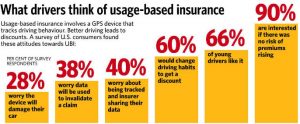
    Many insurers now offer telematics programs that track driving behavior through devices installed in your vehicle or mobile apps. These tools collect real-time data on speed, mileage, braking habits, acceleration, and even the time of day you drive. The result? More accurate pricing based on actual driving performance instead of assumptions.

    Telematics, Privacy & Benefits

    Some drivers hesitate to adopt telematics due to privacy concerns. However, if you’re a safe, low-mileage driver who doesn’t mind sharing data, you could benefit from significant savings. Usage-based plans are ideal for:

    • Drivers who work from home
    • People who own a second vehicle used occasionally
    • Senior citizens or retirees
    • Low-income drivers looking to cut costs

    In-Car Alerts and Driver Feedback

    Some telematic programs even offer real-time feedback and audible alerts when risky behavior is detected — like sharp turns or hard braking. Over time, this can help drivers improve their habits and potentially qualify for even better discounts. Driving data is reviewed periodically, and rates can adjust based on your risk profile.

    Mileage-Based Pricing

    Another form of usage-based car insurance is mileage-based pricing, where your premium is directly linked to how many miles you drive monthly or annually. The less you drive, the less you pay. This is ideal for:

    • Drivers putting fewer than 10,000 miles per year on their car
    • Urban commuters using public transportation
    • People who want flexible, pay-as-you-go insurance models

    If that sounds like you, consider visiting our guide to pay-as-you-go car insurance to learn more.

    Get Cheap Usage-Based Car Insurance Now

    To save with usage-based auto insurance, reduce your monthly mileage and drive safely. The technology behind these programs ensures your actual habits are what count — not your demographic profile. Compare plans from top-rated providers at GoodtoGoInsurance and see how much you can save today.

    Related Articles

    FAQ: Usage-Based Car Insurance

    What is usage-based car insurance?

    It’s a policy where your rates are based on how often and how safely you drive, often tracked through telematics devices or apps.

    How do insurers track driving behavior?

    They use plug-in devices or mobile apps to monitor factors like mileage, speed, braking, acceleration, and time of day.

    Is usage-based insurance cheaper?

    Yes, especially for safe, low-mileage drivers. Savings vary but can reach hundreds of dollars annually.

    Is usage-based insurance available in all states?

    Availability varies by provider and state. Always check with your insurer to see if it’s offered in your area.

    What if I drive more than expected?

    Your premium may increase, but usage-based insurance still tends to offer fairer pricing than traditional flat-rate policies.